
About Bed Bugs
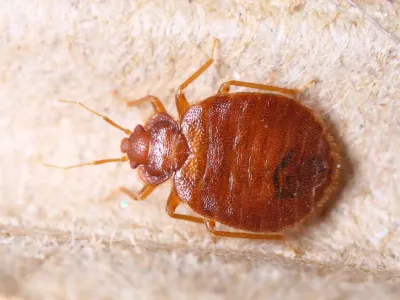
The common bed bug (Cimex lectularius Linnaeus, 1758) is an ectoparasitic insect belonging to the family Cimicidae. As obligate hematophages, bed bugs feed exclusively on the blood of humans and other warm-blooded animals, typically at night while the host is sleeping. Their bites can lead to itchy welts, allergic reactions, and secondary infections from scratching, although they are not known to transmit diseases directly.
Despite their small size, bed bugs are highly resilient and have adapted well to human environments. They exhibit cryptic behavior and are adept at concealing themselves in tight cracks and crevices, especially during the day. Common hiding places include seams of mattresses, box springs, bed frames, headboards, behind wallpaper, baseboards, and even inside electrical outlets. Their ability to hide in such locations makes them difficult to detect and eradicate.