
Do You Need to Worry About Termite Control in the Winter?
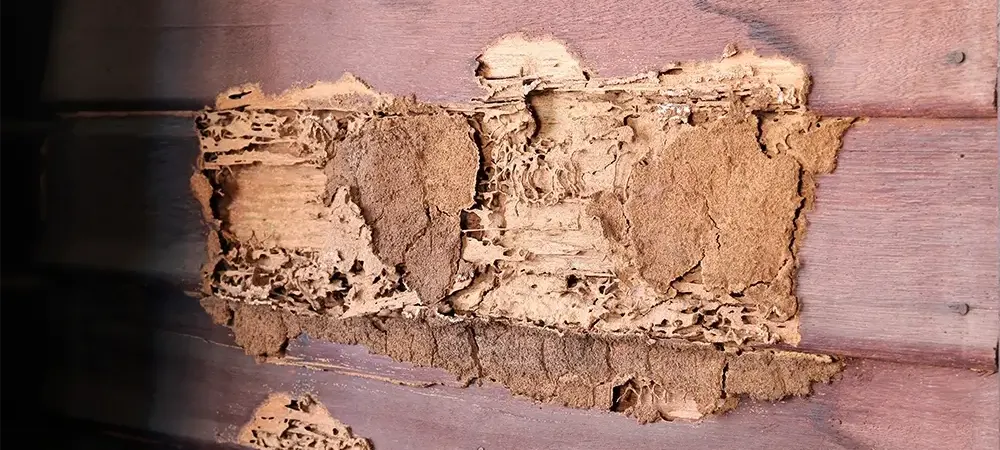
Yes, termites stay active through winter, so pausing termite control until spring can let a small problem turn into a costly one. Termites don't hibernate the way many other insects do. Instead, subterranean termites move deeper into the soil to stay warm, and they can remain fully active if that soil sits near a heated basement or crawl space. As long as a home is still providing food, moisture, and warmth, a colony will keep growing right through the coldest months.
Are Termites Active in Winter, or Do They Die Off?
Termites remain active in winter, they do not die or go dormant. Cold weather slows some outdoor activity, but it doesn't stop a colony from feeding, and it doesn't stop the queen from laying eggs. That's part of why winter termite damage is so easy to miss: without the spring and summer swarms homeowners are used to watching for, it's easy to assume the threat has passed. It hasn't. A colony with a stable food source and consistent warmth from the house itself has no reason to slow down.
What Kind of Damage Can Winter Termites Cause If They Go Unnoticed?
Winter termite damage can be just as severe as damage from any other season, and it's often worse by the time it's discovered. According to the National Pest Management Association, termites cause an estimated $6.8 billion in property damage across the U.S. every year, and most homeowners insurance policies exclude termite damage from coverage entirely. That means the full cost of repairs typically falls on the homeowner.
Termite damage tends to progress slowly and quietly, which is exactly why it's so hard to catch early. A colony can work through a home's structural timber, drywall, paneling, carpet, and furniture for months before any of it becomes visible. By the time damage is noticeable, the termites have usually been established in the home for a while already.
What Are the Signs of a Termite Infestation in Winter?
The clearest winter signs are mud tubes, discarded wings, and changes in the wood and drywall itself. Look for:
- Mud tubes along the foundation, crawl space, or exterior walls, pencil-width tunnels termites use to travel between soil and their food source
- Discarded wings near windows or doors, left behind by swarmers that found their way in
- Sagging floors or discolored, damaged sheetrock on ceilings and walls
- Hollow-sounding or damaged wood, along with bubbling or peeling paint
Because winter swarms are less common, homeowners often wait for a sign that isn't coming. Checking for these other signs, especially in a crawl space or basement near heating sources, is a better strategy for catching an infestation before it spreads.
Need Year-Round Termite Control in the Coastal Carolinas?
Yes, Brunswick Pest Control, Inc provides local termite control all year, including winter. Whether it's the middle of January or the height of summer, termites don't take a season off, and neither should termite protection. Get a free estimate on our termite services today!
Key Takeaways
- Termites do not hibernate. They stay active through winter, especially near heated homes.
- Winter damage often goes unnoticed because swarming, a common warning sign, typically doesn't happen in cold weather.
- Termites cause billions of dollars in damage nationwide each year, and most homeowners insurance doesn't cover it.
- Watch for mud tubes, discarded wings, sagging or discolored drywall, and damaged wood, even in the colder months.
- Year-round inspections catch infestations early, before they become costly structural repairs.